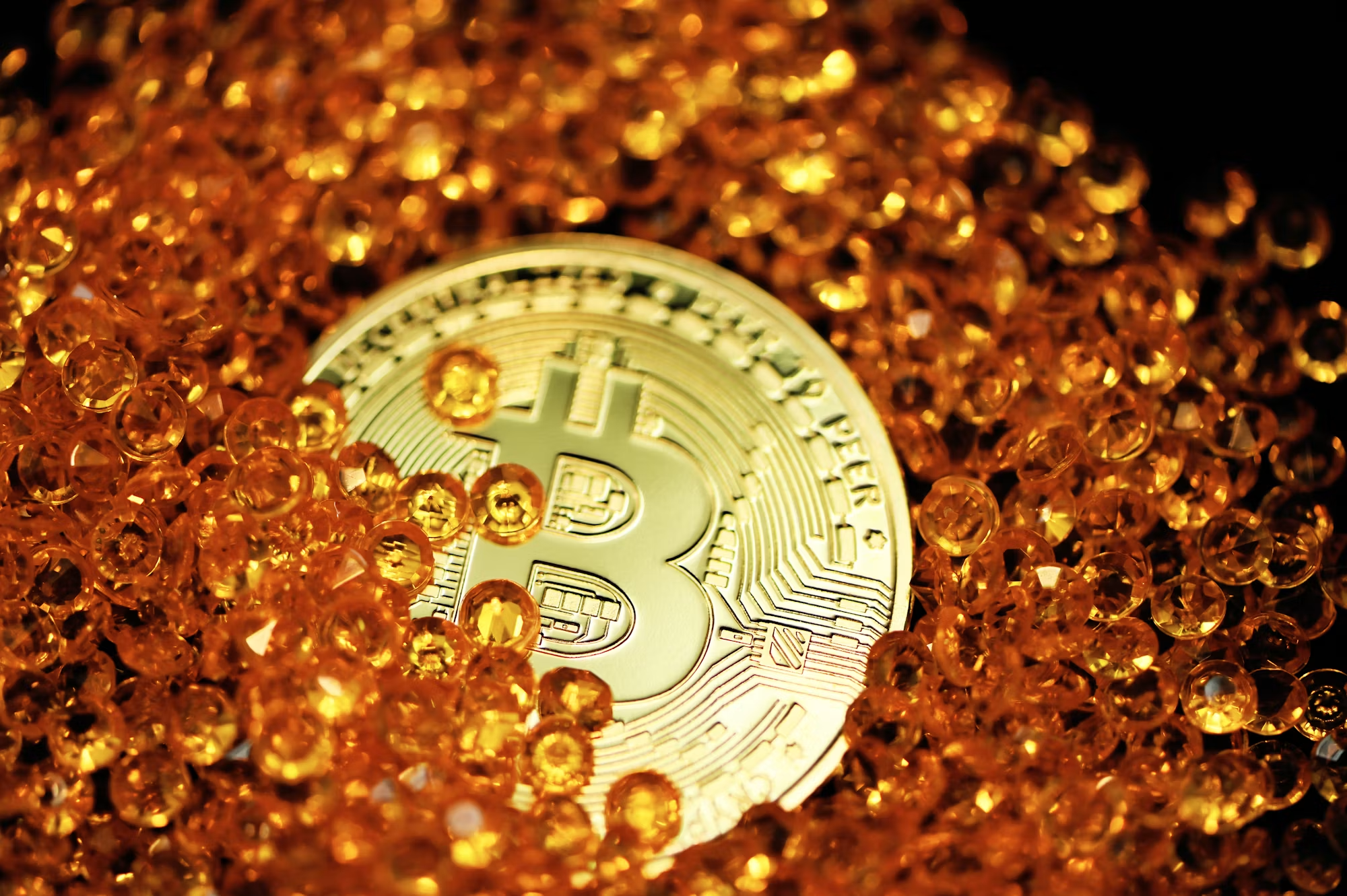
In recent years, non-fungible tokens, commonly known as NFTs, have surged in popularity, capturing the attention of artists, collectors, gamers, and investors alike. Unlike cryptocurrencies such as Bitcoin and Ethereum, which are fungible and can be exchanged for one another, NFTs are unique digital assets that represent ownership of specific items or content. This uniqueness has sparked a new era of digital ownership, allowing individuals to buy, sell, and trade digital creations in ways that were previously unimaginable. This article will explore the fundamentals of NFTs, their applications, and their impact on various industries.
The concept of digital ownership has evolved significantly with the advent of blockchain technology. Blockchain serves as a decentralized ledger that securely records transactions, ensuring transparency and authenticity. Each NFT is built on a blockchain, often Ethereum, and contains metadata that distinguishes it from other tokens. This metadata can include information about the creator, the history of ownership, and any specific characteristics that make the asset unique.
One of the most significant applications of NFTs has been in the art world. Digital artists have found new avenues for expression and monetization through NFTs, allowing them to sell their work directly to collectors without relying on galleries or intermediaries. High-profile sales, such as Beeple’s digital artwork selling for over $69 million at auction, have highlighted the potential of NFTs to reshape the art market. This newfound visibility has empowered artists and provided them with greater control over their creations and earnings.
In addition to visual art, NFTs have also found their place in music, video, and other forms of entertainment. Musicians are increasingly releasing songs and albums as NFTs, offering fans exclusive access to content and experiences. This model enables artists to engage directly with their audience while also securing a more significant share of the revenue generated from their work. The ability to incorporate royalties into smart contracts ensures that creators continue to benefit from their work even after the initial sale.
The gaming industry is another area where NFTs are making a substantial impact. Game developers are integrating NFTs into their ecosystems, allowing players to buy, sell, and trade in-game assets such as characters, skins, and virtual real estate. This creates a new dynamic in gaming, as players can genuinely own their digital items and potentially profit from them. Games like Axie Infinity and Decentraland have gained popularity by leveraging NFTs, demonstrating the potential for a new economy within the gaming world.
While the enthusiasm for NFTs is palpable, several challenges and concerns accompany their rise. One significant issue is the environmental impact of blockchain technology, particularly with proof-of-work systems that require substantial energy consumption for transaction validation. Critics argue that the carbon footprint associated with NFTs and cryptocurrencies undermines the sustainability of these digital assets. However, efforts are underway to transition to more energy-efficient protocols, such as Ethereum’s move to proof-of-stake, which could mitigate these concerns.
Another challenge is the issue of copyright and intellectual property rights. As NFTs can easily be minted from any digital file, questions arise about the ownership of the underlying content. While owning an NFT may grant the holder ownership of a digital asset, it does not necessarily confer copyright. Artists and creators must navigate these complexities to protect their work and ensure that their rights are upheld in the digital space.
Furthermore, the NFT market is characterized by volatility and speculation, attracting both serious collectors and opportunistic investors. Prices for NFTs can fluctuate dramatically, leading to concerns about bubbles and sustainability. As the market matures, greater emphasis on intrinsic value and utility may help stabilize prices and attract long-term participants.
Despite these challenges, the future of NFTs appears promising. As technology evolves and the ecosystem expands, new use cases are likely to emerge. Beyond art and gaming, NFTs have the potential to revolutionize industries such as real estate, fashion, and entertainment. For instance, virtual real estate in metaverse platforms can be bought and sold as NFTs, creating a new frontier for property ownership and investment.
Additionally, NFTs can play a role in establishing digital identities and credentials. As online interactions become more prevalent, the ability to prove ownership of digital assets and achievements may gain importance. Educational institutions and professional organizations could utilize NFTs to issue verifiable certificates, enhancing the credibility of qualifications in a digital-first world.
In conclusion, non-fungible tokens are ushering in a new era of digital ownership, transforming how we perceive and interact with digital assets. From art and music to gaming and beyond, NFTs are creating new opportunities for creators, collectors, and investors alike. While challenges remain, the ongoing evolution of this technology and its applications is likely to shape the future of various industries. As we navigate this exciting landscape, understanding the potential and implications of NFTs will be essential for anyone looking to participate in the digital economy.